For UK landlords and tenants, mosquito screens exist at the intersection of property maintenance, tenant rights, and pest control obligations. With West Nile virus fragments detected in UK mosquitoes and invasive Aedes species arriving at ports and airports, the need for effective insect screening in rental properties is growing [citation:2][citation:4][citation:8]. Yet the legal position in the UK is nuanced: landlords are generally required to keep windows and doors in repair, including ensuring they function properly and are secure, but the specific provision of insect screens falls into a grey area [citation:4][citation:8].
The MBORMC H01 Invisible Retractable Screen offers the perfect solution for rental properties — no-drill adhesive installation means no damage to window frames, fully removable so tenants can take screens when they move, and invisible when retracted — preserving the external appearance of the property.
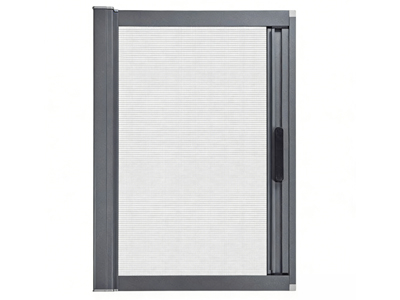
MBORMC H01 — no-drill, fully removable, ideal for rental properties
📋 H01 Rental Edition – Landlord & Tenant Friendly
Landlord Repair Obligations — Windows and Doors
Under UK law, landlords have specific repair obligations that directly relate to windows and doors. The Landlord and Tenant Act 1985, Section 11, requires landlords to keep the structure and exterior of the property in repair — including windows, doors, and window frames [citation:4][citation:8]. Halifax explains that a landlord must repair or replace anything that breaks due to wear and tear, including "any windows, doors, fixtures and fittings" [citation:8].
The Homes (Fitness for Human Habitation) Act 2018 further strengthens these obligations, requiring landlords to ensure properties are "safe, healthy and in good repair" [citation:4][citation:12]. Hazards that affect health, including pest infestations, fall within this framework [citation:2][citation:10].
South Cambridgeshire District Council confirms that the landlord is responsible for "the exterior of the building, including the roof, guttering, chimneys, plaster work, walls, windows, and doors" and for ensuring hazards in the home are minimised or eliminated [citation:12].
📋 Landlord Repair Obligations: The Landlord and Tenant Act 1985 requires landlords to keep the structure and exterior of the property in repair — including windows, doors, and window frames [citation:4][citation:8]. The Homes Act 2018 requires properties to be safe, healthy and in good repair [citation:4][citation:12].
Are Landlords Required to Provide Window Screens?
The short answer is: not explicitly. Unlike the requirement to keep windows and doors in repair, UK law does not specifically mandate that landlords provide insect screens [citation:1][citation:5]. However, the question is more nuanced when considered in the context of pest control and fitness for human habitation.
As CIA Landlords explain: "There isn't a straightforward answer… the answer would definitely depend on how you decide to let your property and what is written in your tenancy agreement" [citation:1].
Furnished vs Unfurnished Properties
For furnished lettings, landlords are generally expected to provide window coverings, and screens could be considered part of this provision [citation:1][citation:5]. For unfurnished lettings, the responsibility is less clear — tenants are typically responsible for their own window coverings [citation:5].
Pest Control and HHSRS
Under the Housing Health and Safety Rating System (HHSRS), pests are a Category 1 hazard if they pose a significant risk to health [citation:2][citation:6]. While mosquito-borne diseases have been rare in the UK, the detection of West Nile virus fragments in UK mosquitoes in 2025 changes the risk profile [citation:2][citation:4]. The NRLA confirms that the HHSRS assesses hazards including those that could "affect health" and that local authorities can take enforcement action [citation:6].
For rental properties in areas with known mosquito activity (such as Kent, Essex, the South Coast, or properties near wetlands), the argument for providing screens becomes stronger. Tenants could argue that lack of screens constitutes a hazard if it exposes them to insect-borne health risks [citation:2][citation:12].
🔑 Key Point: While UK law doesn't explicitly require landlords to provide insect screens, the HHSRS and Homes Act create a legal framework where failure to address pest-related health risks could constitute a Category 1 hazard [citation:2][citation:6].
Tenant Rights and Responsibilities
Tenants have rights under UK law, but they also have responsibilities. Key points:
- Reporting issues: Tenants must report damage and issues to the landlord promptly [citation:4][citation:8]. Halifax advises: "Report any issues to the landlord as soon as possible so they can carry out repairs or sort out replacements" [citation:8].
- No alterations without consent: Most tenancy agreements include a "no alterations" clause, meaning tenants cannot drill into walls or window frames without the landlord's written permission [citation:13].
- Fair wear and tear: Tenants are not responsible for damage caused by "reasonable use of the premises" — this includes minor scuffs, wear on carpets, and faded curtains [citation:4].
- Accidental or malicious damage: Tenants are responsible for damage they or their guests cause, and this can be deducted from the deposit [citation:4].
- Deposit protection: Landlords must protect tenancy deposits in a government-approved scheme [citation:11].
📋 Deposit Deductions: Landlords can deduct from a tenant's deposit for damage beyond fair wear and tear — including broken windows, damaged window frames, or other modifications made without consent [citation:4][citation:13].
Tenant Fees Act 2019 — Deposit Protection
The Tenant Fees Act 2019 limits tenancy deposits to five weeks' rent for annual rent under £50,000, or six weeks' rent for annual rent of £50,000 or more [citation:11]. This means landlords cannot charge large deposits, making deposit deductions for minor damage more significant.
For window screens, the implication is clear: if a tenant installs permanent screens (requiring drilling) without consent, the landlord may be able to deduct the cost of repairs from the deposit. However, if the tenant uses a no-drill, removable solution like the H01, there is no damage to deduct for.
Rental Market Trends — Growing Tenant Demand for Screens
As awareness of mosquito-borne diseases grows, demand for window screens in rental properties is likely to increase. The British Pest Control Association (BPCA) now advises that "mosquitoes are not something most UK pest professionals have had to think about… but that doesn't mean we can ignore them" [citation:2].
UKHSA's detection of West Nile virus fragments in 2025 and invasive Aedes species in Kent and at Heathrow have raised public awareness [citation:2][citation:4]. Tenants in high-risk areas (coastal areas, wetland-adjacent properties, and those in Kent or the South Coast) are likely to seek properties with insect protection.
For landlords, offering properties with screens could be a competitive advantage, particularly in areas with known mosquito activity.
H01 Benefits for Landlords
The H01 is ideal for rental properties because:
- No drilling required — No damage to window frames, preserving the landlord's property [citation:13]
- Fully removable — No residue, can be taken by tenants when they move
- Invisible when retracted — Preserves the external appearance of the property
- Meets building regulations — 1.2mm aperture mesh exceeds Part F requirements
- Washable — Low maintenance, reduces landlord's upkeep costs
🏠 Landlord Benefit: The H01's no-drill, fully removable design means tenants can install screens themselves without voiding their tenancy agreement — saving landlords the cost and hassle of installing permanent fixtures [citation:13].
Comparison — H01 vs. Traditional Rental Screen Options
How Landlords and Tenants Can Use the H01
For Landlords
Landlords can purchase H01 screens as a value-add for furnished properties or properties in mosquito-prone areas. The no-drill installation means no damage to window frames, and the screens are tax-deductible as a maintenance expense [citation:13]. Offering screened windows can also attract tenants seeking homes with insect protection.
For Tenants
Tenants can purchase H01 screens themselves for their own windows. The no-drill, removable design means they can take them when they move — no loss of deposit. This is particularly valuable for tenants who suffer from insect allergies, have pets, or are concerned about West Nile virus [citation:2][citation:4].
How to Order Your H01 for Your Rental Property
Ordering is simple:
- Measure your windows or doors (width × height in mm).
- Choose your mesh type — PET for dust/pollen or 304 stainless steel for durability.
- Select your frame colour — any RAL colour to match the property.
- Contact us via WhatsApp or email with your specifications.
- Install in minutes — no drilling required. No permanent changes to the property.
We ship to all UK addresses. All screens are custom-made to your measurements and shipped with a 2-year warranty.
No-drill installation means no damage to window frames. Fully removable — no deposit deductions. Get your custom H01 today.
Get a Rental Quote